ZZ plant (Zamioculcas zamiifolia)
Also known as: Zanzibar gem, eternity plant, aroid palm, emerald palm, zuzu plant
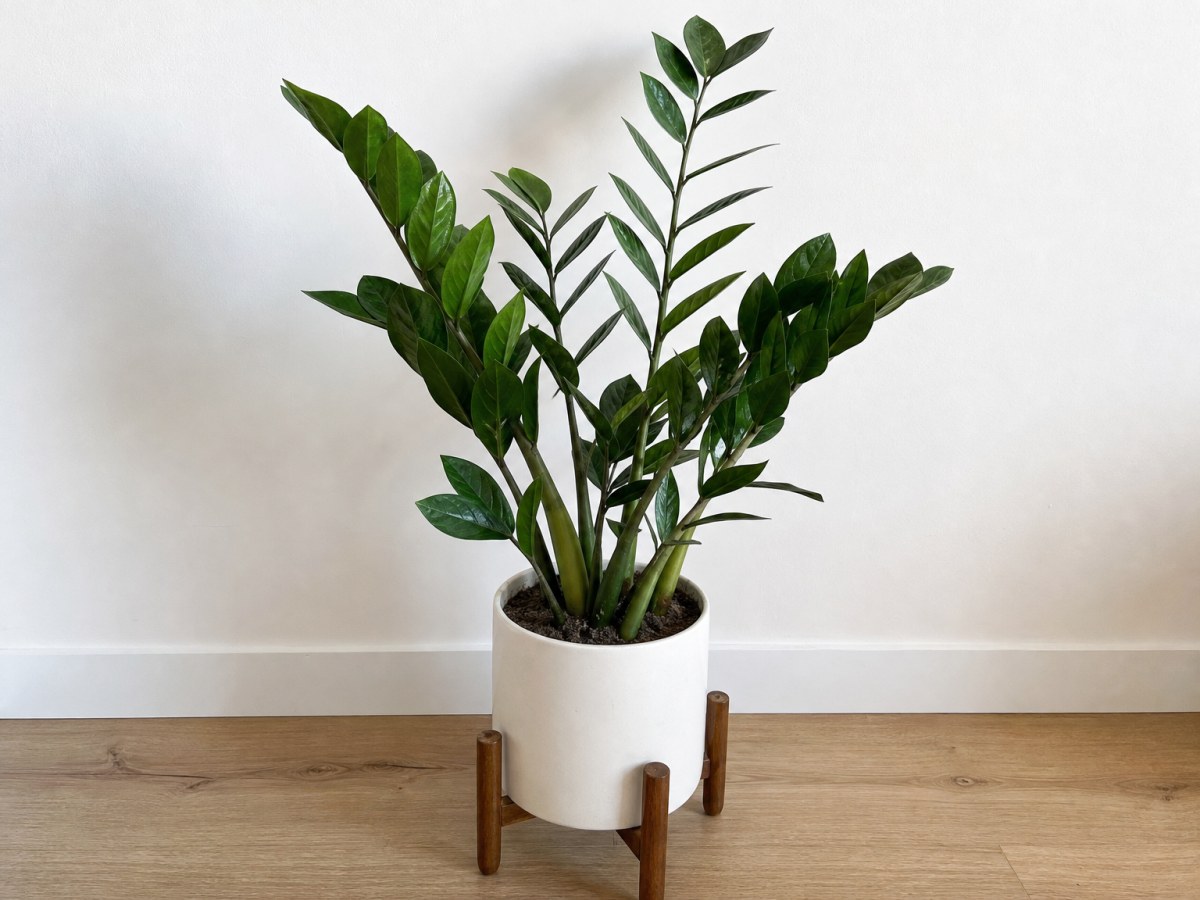
The ZZ plant (Zamioculcas zamiifolia), also sold as Zanzibar gem, has upright leaves lined with thick, dark green leaflets so glossy they look waxed. It is native to eastern and southeastern Africa, from Kenya to KwaZulu-Natal. Underground it keeps fleshy rhizomes that store water, which is why it can go weeks without a drink and copes with dim corners. It grows slowly and asks for very little; the real danger is overwatering.
Quick info
- LightBright, indirect light speeds growth; it tolerates low light. Direct sun scorches leaves.
- Ideal temperatureKeep it above 60 °F (16 °C); it does not tolerate cold or frost.
- WateringWater only when the soil is fully dry: 1–2 times a month in summer, once in winter.
- GrowthSlow; more light means new leaves appear more often.
- MaintenanceLow: no pruning, little feeding and hardly any pests.
- PetsNC State rates it toxic to cats and dogs (calcium oxalate); the ASPCA has no page.
Fact sheet
- Scientific name
- Zamioculcas zamiifolia (G.Lodd.) Engl.
- Common names
- Zanzibar gem, eternity plant, aroid palm, emerald palm, zuzu plant
- Family
- Araceae
- Native to
- East Africa, Kenya to KwaZulu-Natal
- Plant type
- Herbaceous perennial
- Light
- Bright indirect
- Watering
- Let soil dry out
- Size when grown
- 2.0–4 ft (0.6–1.2 m)
- Frost
- Not frost hardy (min. 61 °F (16 °C))
- USDA zones
- 9a-10b
Needs
- Light Bright indirect 2/3
- Water Let soil dry out 1/3
- Warmth Tropical 3/3
- Humidity Average 2/3
- Growth Slow 1/3
- Maintenance Low 1/3
Where it comes from
Kew's Plants of the World Online lists Zamioculcas zamiifolia as native to Kenya, Tanzania, Malawi, Mozambique, Zimbabwe and South Africa's KwaZulu-Natal province. It is a perennial of the seasonally dry tropics, and Clemson Extension describes its home as dry, open savanna woodland. It belongs to the arum family, alongside monstera and peace lily.
It was first described as Caladium zamiifolium by G. Loddiges, and the current name was published by German botanist Adolf Engler in 1905. Zamioculcas lanceolata and Zamioculcas loddigesii are older names. The epithet zamiifolia means its leaves resemble those of Zamia, a cycad it is not closely related to.
How to recognize it
- Leaves: compound, with leaflets lined up on both sides of a stiff stalk like a feather. They are dark green, thick and very glossy. Each leaf can be 2–4 ft (60–120 cm) long.
- Stalk: thick and swollen at the base, rising straight from the soil. Dark speckles on the stalks are normal.
- Rhizome: fleshy and bulbous, a bit like a potato, hidden underground. It is the plant's water reserve.
- Size: 2–4 ft (0.6–1.2 m) tall and wide in a pot. The compact cultivar 'Zenzi' stays at 10–12 in (25–30 cm).
- Flower: rare indoors. A sheath-like green spathe wraps a white spadix near the base of the plant.
Its shine and toughness lead some people to mistake it for an artificial plant. Despite trade names like aroid palm and emerald palm, it is not a palm.
Care
Light
Indoors it does best in bright, indirect light, which speeds up its naturally slow growth. It tolerates low light, such as hallways and offices, though it grows even more slowly there. Direct sun can scald and brown the leaves.
Watering
Let the soil dry out completely before watering. NC State Extension suggests, as a guide, watering twice a month in summer and once a month in winter, always checking first that the soil is dry. The rhizomes hold water, so overwatering is the biggest risk and leads to rot.
Soil and pot
Use a coarse, fast-draining mix. Clemson Extension suggests half peat- or coir-based potting soil, a quarter perlite and a quarter sand. The pot needs a drainage hole. Repot when the rhizomes get crowded, ideally in spring.
Temperature and humidity
Keep the plant above about 60 °F (16 °C). If it spends summer outdoors, bring it in once nights drop below that. It does not tolerate frost. Normal household humidity is fine.
Fertilizing
It needs little: Clemson recommends feeding only once or twice during the growing season with a balanced fertilizer. Extra fertilizer will not speed up a plant that is slow by nature.
Pruning
None needed. Just cut yellow or damaged leaves at the base, wearing gloves.
Propagation
Divide the plant when repotting, separating rhizomes that carry leaves. You can also root single leaflets or leaf sections in barely moist mix; this is very slow, because a small rhizome forms first and only then does a new leaf appear.
Common problems
Yellow leaves
Leaves yellowing from the base while the soil is damp almost always mean too much water and the start of rhizome rot. Stop watering, check the rhizomes and remove any that are soft. An old leaf yellowing now and then is normal.
Floppy or soft stalks
With wet soil, it is rot; with dry soil and low light, stalks grow long and weak. Adjust watering and move the plant somewhere brighter.
Scorched or brown leaves
Direct sun or cold. Move it away from sunny windows and cold drafts.
No new growth
It is naturally slow and can go months without a new leaf, especially in winter and low light. More light helps most.
Dark spots on the stalks
These are normal for the species and not a disease.
Pests
Problems are rare; NC State suggests watching for scale insects. Remove them with a cotton swab dipped in rubbing alcohol.
Safety: pets and children
Toxic to pets according to NC State Extension (a ASPCA não tem página da espécie)
The ASPCA does not have a page for the ZZ plant. NC State Extension rates it as having medium toxicity to cats and dogs: the leaves contain calcium oxalate and, if eaten in quantity, can cause vomiting and diarrhea. Clemson Extension also lists it as not pet safe. We found no reliable information on horses.
The same caution applies to people: it is not a plant to chew on. Wear gloves when dividing or cutting it, wash your hands afterward and keep it away from small children and pets that nibble plants. If any is eaten, call your veterinarian or a poison control center.
Frequently asked questions
Does a ZZ plant like sun?
Not direct sun, which can scorch the leaves. It prefers bright, indirect light and tolerates low-light rooms.
How often should I water a ZZ plant?
Only when the soil is completely dry. As a guide, once or twice a month in summer and once a month in winter.
Is the ZZ plant toxic to cats and dogs?
NC State Extension rates it as moderately toxic to cats and dogs because of calcium oxalate, with a risk of vomiting and diarrhea. The ASPCA has no page for it.
Why is my ZZ plant turning yellow?
The most common cause is overwatering, which rots the rhizomes. Let the soil dry out and check for soft parts.
How do I propagate a ZZ plant?
Divide the rhizomes when repotting, or root leaflets in barely moist mix. A leaf takes months to produce a new plant.
Sources
- POWO · checked on October 25, 2026
- NC State Extension · checked on October 25, 2026
- Clemson Cooperative Extension (HGIC) · checked on October 25, 2026
Profile reviewed on October 25, 2026 · How we build our profiles
Similar plants
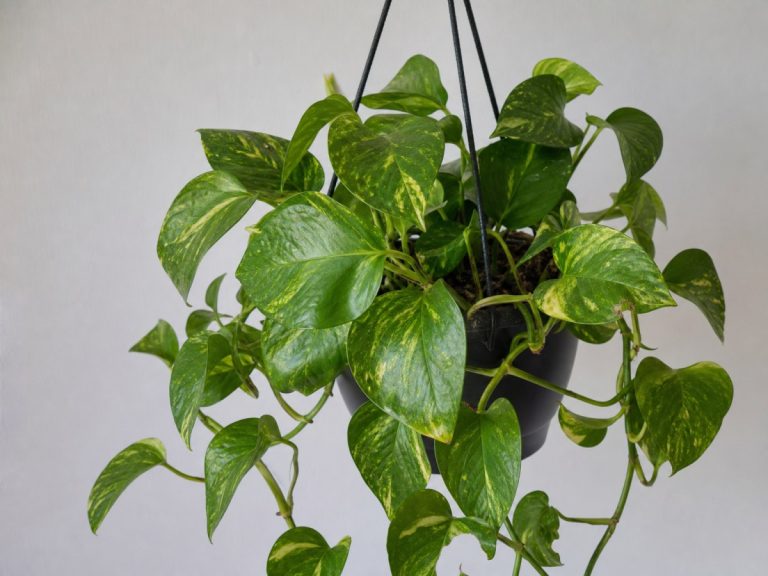
Golden pothos
Epipremnum aureum
- Bright indirect
- When top inch is dry
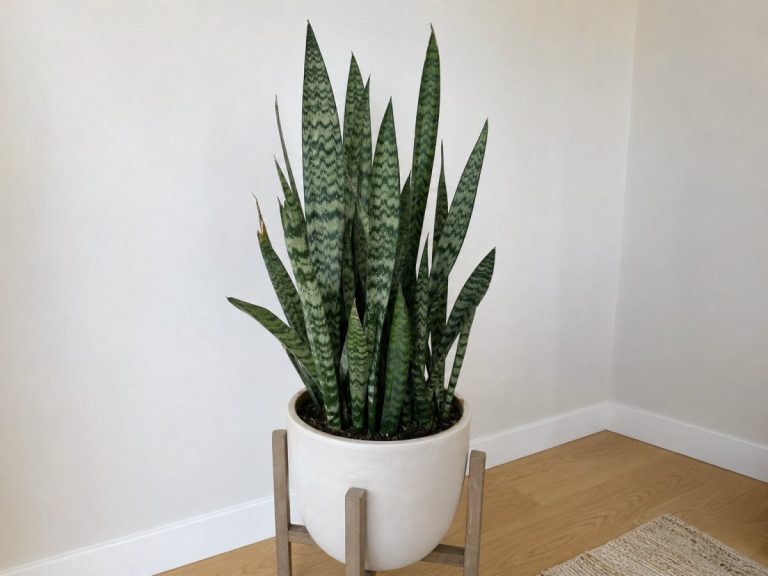
Snake plant
Dracaena trifasciata
- Bright indirect
- Let soil dry out
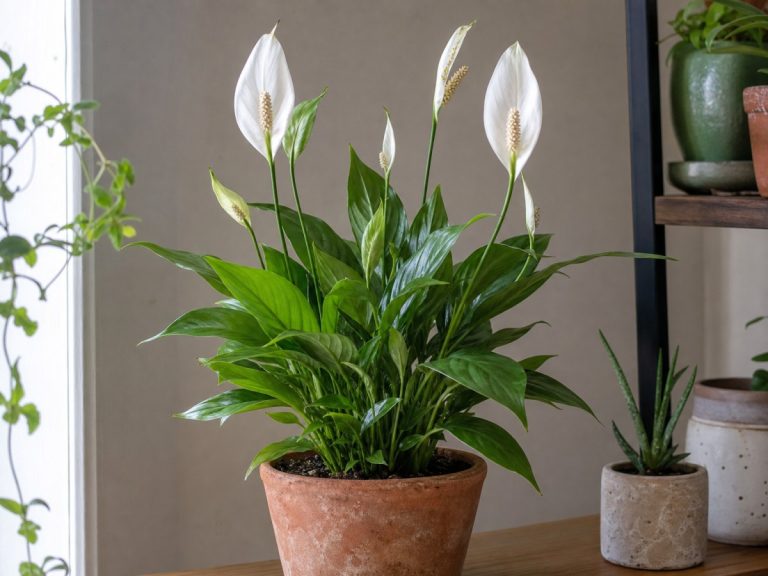
Peace lily
Spathiphyllum wallisii
- Bright indirect
- When top inch is dry
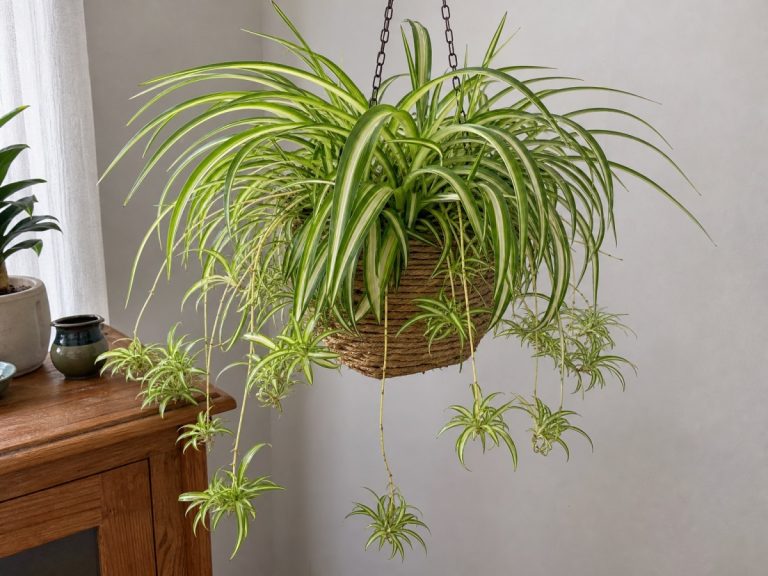
Spider plant
Chlorophytum comosum
- Bright indirect
- When top inch is dry