Spider plant (Chlorophytum comosum)
Also known as: ribbon plant, spider ivy, walking anthericum
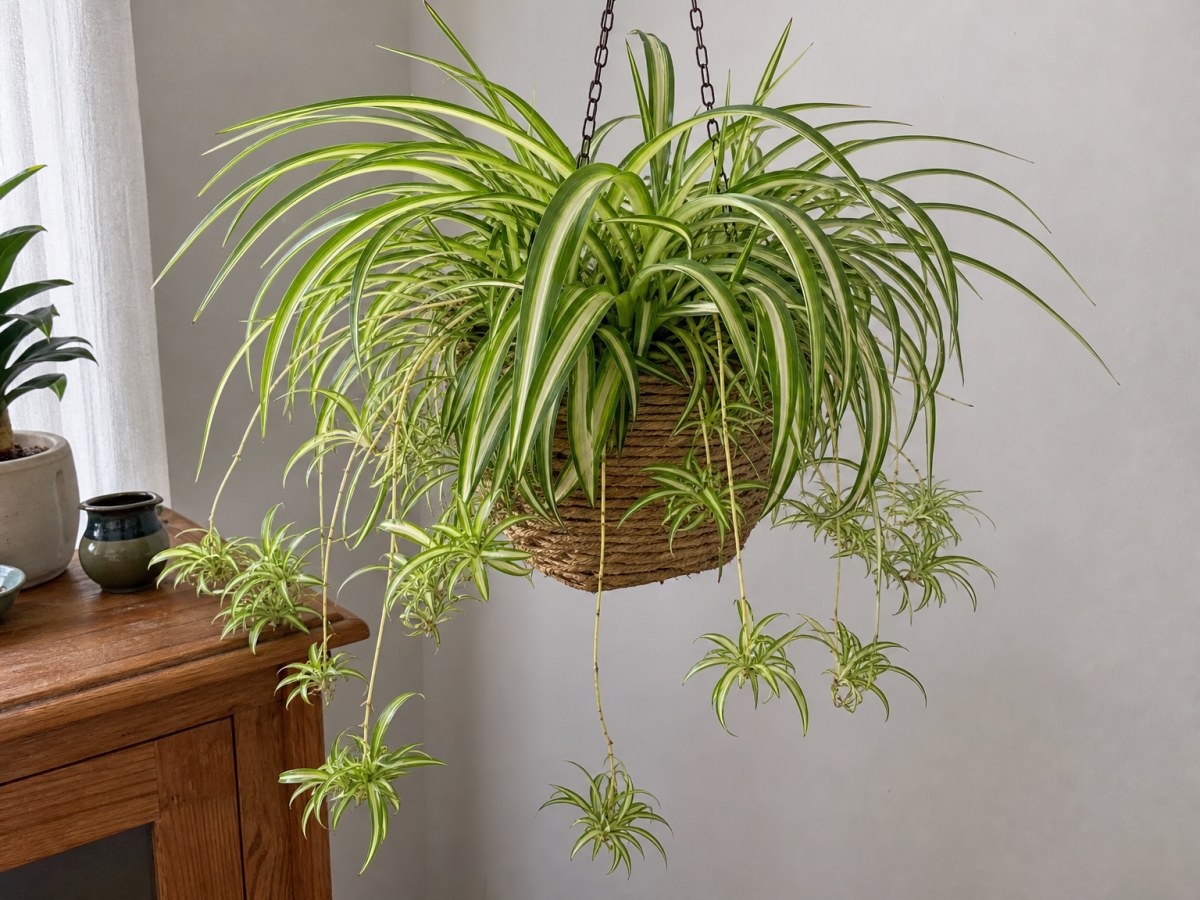
The spider plant (Chlorophytum comosum) grows in fountains of narrow, arching leaves, plain green or striped with white, and sends out long stems with baby plants dangling from the ends. It is native across much of tropical and southern Africa. It handles low light, forgives neglect and multiplies on its own, which has made it a hanging-basket classic. It also has a rare advantage: the ASPCA lists it as non-toxic for cats and dogs.
Quick info
- LightMedium to bright indirect light; it tolerates shade but not direct sun.
- Ideal temperatureBest above 50 °F (10 °C); handles light chill but not freezing.
- WateringKeep lightly moist and water when the top layer dries; less in winter.
- GrowthModerate; in good light it readily makes runners and plantlets.
- MaintenanceMedium: trim stems, manage brown tips and divide large clumps.
- PetsSafe for cats and dogs: the ASPCA lists it as non-toxic.
Fact sheet
- Scientific name
- Chlorophytum comosum (Thunb.) Jacques
- Common names
- ribbon plant, spider ivy, walking anthericum
- Family
- Asparagaceae
- Native to
- Tropical and southern Africa
- Plant type
- Herbaceous perennial
- Light
- Bright indirect
- Watering
- When top inch is dry
- Size when grown
- 1.0–1.5 ft (0.3–0.5 m)
- Frost
- Not frost hardy (min. 41 °F (5 °C))
- USDA zones
- 9a-11b
Needs
- Light Bright indirect 2/3
- Water When top inch is dry 2/3
- Warmth Mild climate 2/3
- Humidity Average 2/3
- Growth Moderate 2/3
- Maintenance Medium 2/3
Where it comes from
Kew's Plants of the World Online lists Chlorophytum comosum as native to a huge stretch of Africa: from Sierra Leone, Liberia, Ivory Coast, Nigeria and Cameroon in the west to Ethiopia, Kenya, Uganda and Tanzania in the east, and south through Malawi, Zambia, Zimbabwe and Mozambique to the Cape Provinces, KwaZulu-Natal and Eswatini. It is a perennial of the seasonally dry tropics.
Swedish botanist Carl Thunberg described it in 1794 as Anthericum comosum, and the current name was published in 1862. Over the years it passed through several genera, including Hartwegia and Phalangium. It belongs to the asparagus family, Asparagaceae, like the snake plant. POWO records introduced populations in places such as the Canary Islands, Madeira, New Zealand and parts of Australia.
How to recognize it
- Leaves: narrow, linear to lance-shaped and grass-like, 12–18 in (30–45 cm) long, with a deep groove down the middle. They grow in a clump from a short rhizome.
- Color: plain green in the wild form; cultivars have a white or cream center stripe ('Vittatum') or white edges ('Variegatum'). 'Bonnie' has curly leaves.
- Runners: long, pale green stolons that arch out from the center and carry flowers and plantlets.
- Flowers: small, white and star-shaped, in loose clusters, followed by small capsules.
- Size: 1–1.5 ft (0.3–0.45 m) tall and up to 2 ft (0.6 m) wide, according to NC State, with runners hanging well beyond that.
Other cultivars listed by NC State include 'Milky Way', with a broad white center, and 'Picturatum', with a yellow center stripe. On 'Hawaiian', the variegation fades as leaves age.
Care
Light
Spider plants prefer medium to bright indirect light and tolerate even deep shade. NC State Extension is clear that they are intolerant of direct sun, which scorches the leaves. In very dark corners, variegated forms lose contrast and the plant makes fewer babies.
Watering
It grows best in lightly moist soil: water when the top layer dries and cut back in winter. NC State notes that it tolerates drought. NC State advises against tap water containing chlorine and fluoride, which can damage the leaves; rainwater or filtered water is a good alternative.
Soil and pot
Use a well-drained, loamy mix with a neutral pH. Hanging baskets show off the runners. When roots fill the pot, divide the clump or move it up a size.
Temperature and humidity
The RHS recommends growing it ideally above 50 °F (10 °C) and rates it as tolerant of light cold, around 34–41 °F (1–5 °C), but not of freezing. NC State suggests keeping it above 45 °F (7 °C). Average household humidity is fine; in very dry air, a humidifier or pebble tray helps.
Fertilizing
Feed moderately in spring and summer, following the label. According to NC State, too much fertilizer reduces plantlet production.
Pruning
The RHS suggests trimming flower stems once they finish if you do not want more plantlets. Remove dry leaves and snip brown tips with clean scissors.
Propagation
Few plants are easier to multiply. Pin a plantlet onto a pot of moist mix while it is still attached to the runner and cut it free once rooted, or cut the plantlet off and root it in water or mix. Division is NC State's preferred method, and the RHS also lists seed.
Common problems
Brown tips
The most common complaint. NC State links tip burn to chlorine and fluoride in tap water; dry air and irregular watering also contribute. Switch water, water consistently and trim the tips.
No plantlets
According to NC State, runners and plantlets depend on light: they form after the plant gets at least three weeks of short days and long, uninterrupted nights. Artificial light at night and overfeeding get in the way. Well-established plants also produce more.
Faded or scorched leaves
Direct sun burns and bleaches the foliage. Move the plant into indirect light.
Limp leaves or a dark base
Constantly soggy soil rots the roots. Let the top layer dry between waterings and check drainage.
Losing its stripes
Low light reduces contrast. On 'Hawaiian', variegation naturally fades with age.
Pests
Serious problems are rare; the RHS mentions scale insects. Wipe them off with a cotton swab dipped in rubbing alcohol.
Safety: pets and children
Pet safe according to ASPCA; NC State Extension (cavalos)
The ASPCA lists the spider plant as non-toxic for dogs and cats, and NC State Extension also tags it as non-toxic to horses. That is why it is one of the most recommended plants for homes with animals.
Still, it is not pet food: it is best if animals do not make a habit of chewing it, and the dangling leaves tend to attract cats. Hang the pot high if your cat keeps at it. For people, the sources we consulted give no toxicity data.
Frequently asked questions
Is a spider plant safe for cats?
Yes. The ASPCA lists it as non-toxic for both cats and dogs.
Why do spider plant tips turn brown?
The usual causes are chlorine and fluoride in tap water, dry air and irregular watering. Use filtered or rainwater and trim the tips.
Can spider plants take direct sun?
No; direct sun scorches the leaves. They prefer medium to bright indirect light and tolerate shade.
How do I propagate spider plant babies?
Root the plantlets that form on the runners in water or moist mix, or divide the clump when repotting.
Why isn't my spider plant making babies?
Plantlet formation depends on a few weeks of short days and long nights. Artificial light at night and too much fertilizer interfere.
Sources
- POWO · checked on October 25, 2026
- ASPCA · checked on October 25, 2026
- NC State Extension · checked on October 25, 2026
- RHS · checked on October 25, 2026
Profile reviewed on October 25, 2026 · How we build our profiles
Similar plants
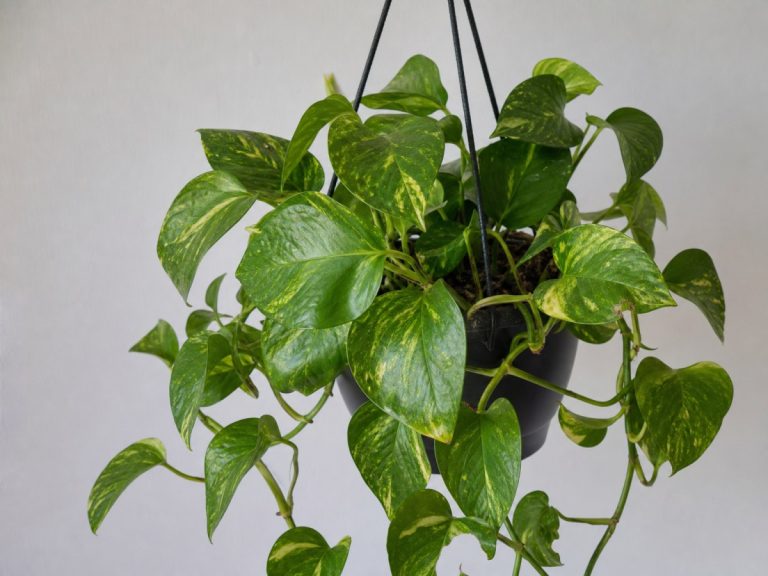
Golden pothos
Epipremnum aureum
- Bright indirect
- When top inch is dry
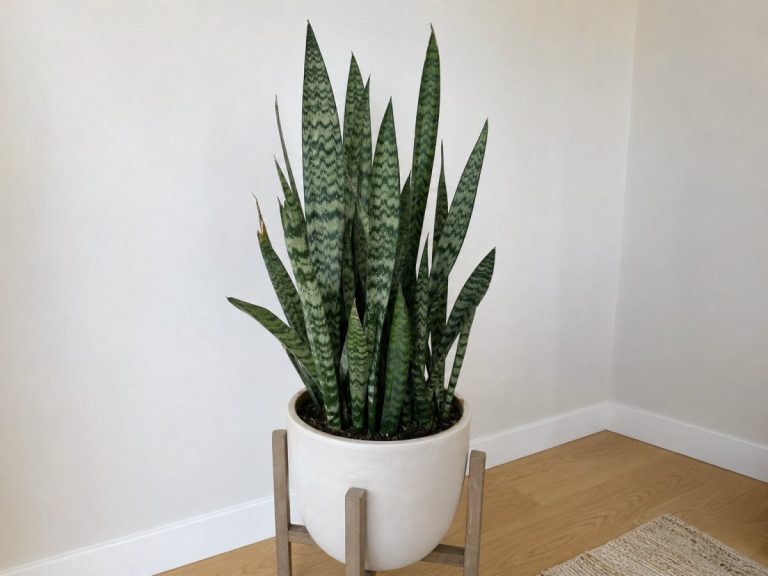
Snake plant
Dracaena trifasciata
- Bright indirect
- Let soil dry out
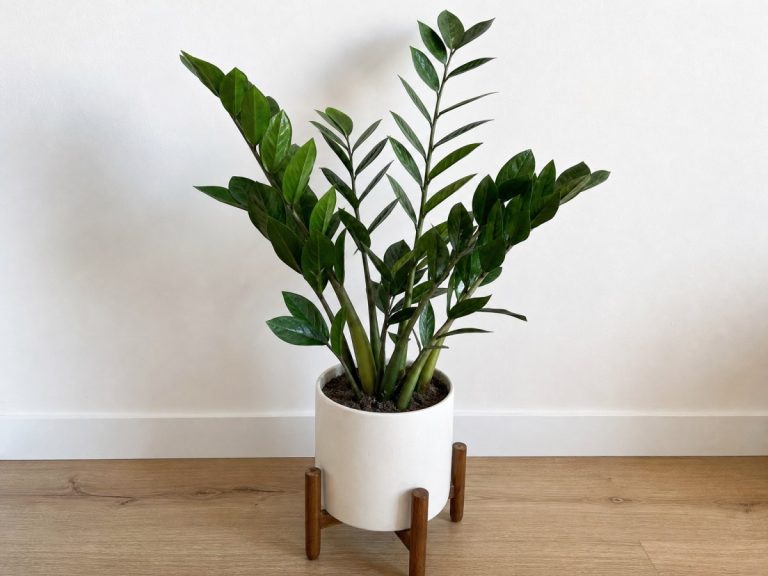
ZZ plant
Zamioculcas zamiifolia
- Bright indirect
- Let soil dry out
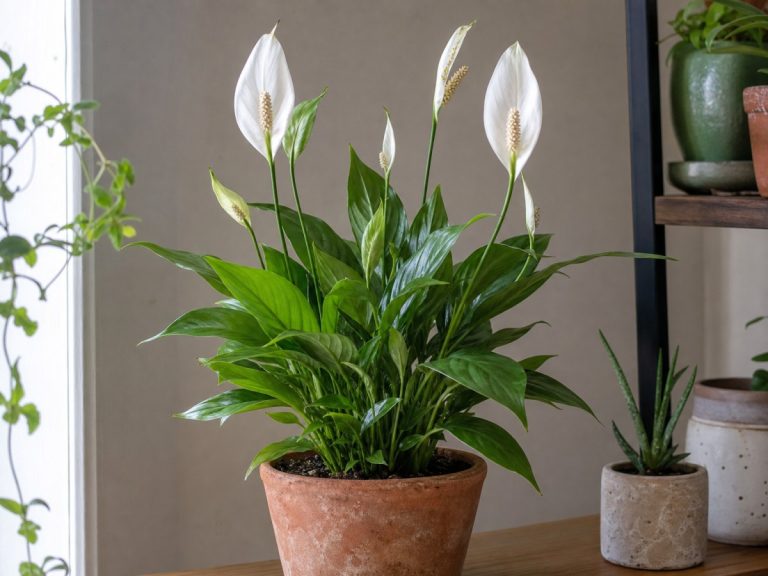
Peace lily
Spathiphyllum wallisii
- Bright indirect
- When top inch is dry