Weeping fig (Ficus benjamina)
Also known as: Benjamin tree, Java fig, small-leaved rubber plant, Chinese banyan
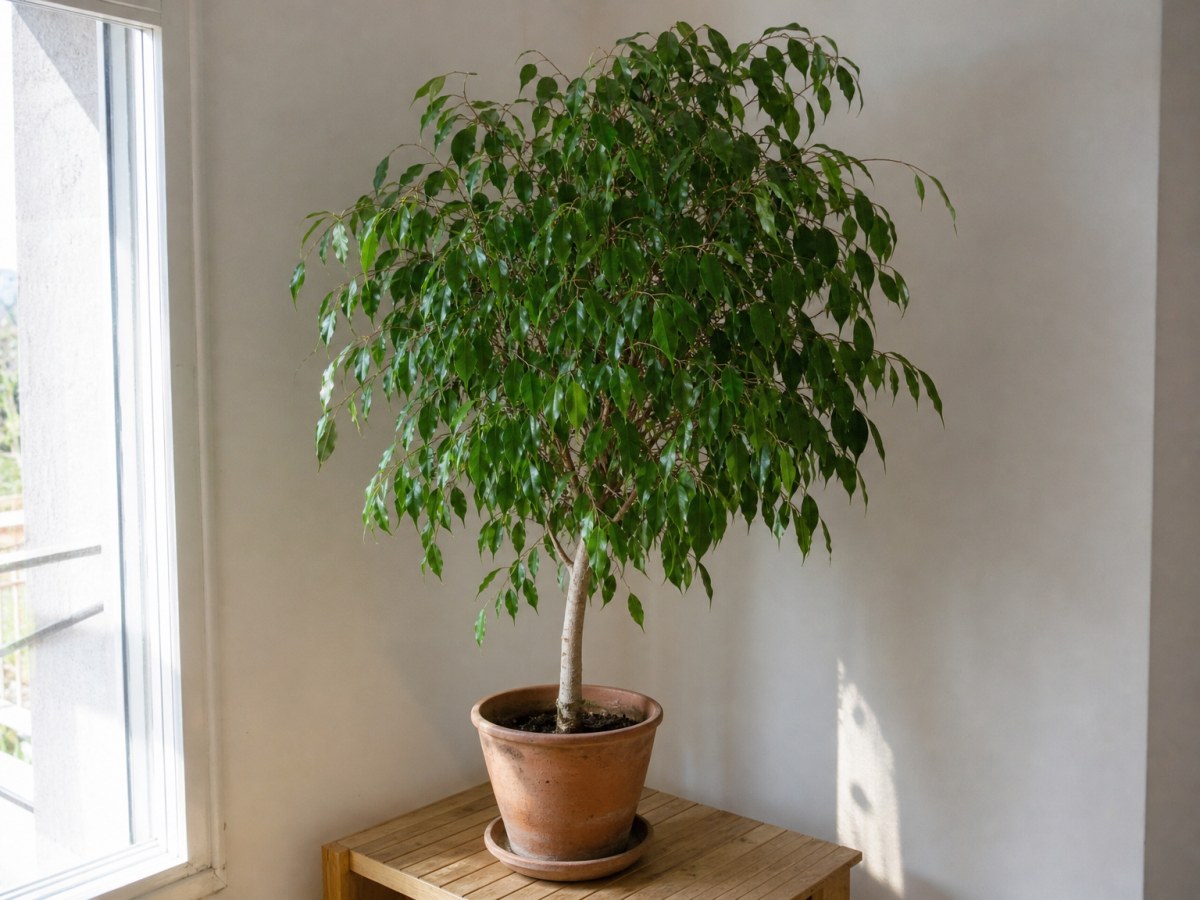
The weeping fig (Ficus benjamina) is the small indoor tree with arching branches and glossy little leaves found in living rooms, lobbies and entryways. It is native to South and Southeast Asia, Pacific islands and northern Australia, and it does well indoors with plenty of light, regular watering and a permanent spot. Its fussy reputation comes from dropping leaves whenever its surroundings change. It is toxic to cats, dogs and horses.
Quick info
- LightPlenty of bright, indirect light; takes some sun. Moving it causes leaf drop.
- Ideal temperatureVery sensitive to cold and frost; the RHS gives lows of 41–50 °F (5–10 °C).
- WateringWater when the top 1–2 in (2–5 cm) is dry; never let it dry out completely.
- GrowthModerate, with most growth in spring and summer.
- MaintenanceHigh: sensitive to changes in light, drafts and uneven watering.
- PetsToxic to cats, dogs and horses: stomach and skin irritation, says the ASPCA.
Fact sheet
- Scientific name
- Ficus benjamina L.
- Common names
- Benjamin tree, Java fig, small-leaved rubber plant, Chinese banyan
- Family
- Moraceae
- Native to
- South and Southeast Asia to northern Australia
- Plant type
- Tree
- Light
- Bright indirect
- Watering
- When top inch is dry
- Size when grown
- 2.0–10 ft (0.6–3 m) (up to 49 ft (15 m) in the wild)
- Frost
- Not frost hardy (min. 41 °F (5 °C))
- USDA zones
- 10a-12b
Needs
- Light Bright indirect 2/3
- Water When top inch is dry 2/3
- Warmth Tropical 3/3
- Humidity Average 2/3
- Growth Moderate 2/3
- Maintenance High 3/3
Where it comes from
Kew's Plants of the World Online records Ficus benjamina as native to a huge area: India, Nepal, the eastern Himalaya, Assam, Bangladesh, southern China, Hainan and Taiwan, mainland Southeast Asia, Malaysia, Indonesia, the Philippines, New Guinea, the Solomon Islands and northern Australia (Northern Territory and Queensland). Linnaeus described it in 1767. Outside that range it has naturalized in Florida, several Caribbean islands, Sri Lanka and El Salvador.
It belongs to the mulberry family, Moraceae, like all figs. In the wild, NC State Extension says it reaches 40 to 50 ft (12 to 15 m), and old specimens drop hanging aerial roots. In a pot it usually stays between 2 and 10 ft (0.6 to 3 m). Older synonyms include Ficus nitida and Urostigma benjaminum.
How to recognize it
- Leaves: alternate and glossy, 3 to 6 in (7 to 15 cm) long, elliptic to oval with a long, narrow pointed tip. They fold slightly along the midrib and hang downward.
- Branches: slender and arching, with drooping tips that give the tree its weeping look.
- Bark: light brown to gray with raised lenticels. Old trees may carry aerial roots.
- Braided trunks: common in stores; several young stems are woven together.
- Figs: small, under 1 in (2.5 cm), in pairs, ripening from green to orange-red, red and finally dark purple.
There are many cultivars, including 'Danielle' (dark green leaves, slow growing), 'Golden King' (cream edges), 'Samantha' (variegated), 'Too Little' (a dwarf used for bonsai) and 'Variegata' (green, white and cream).
Care
Light
NC State Extension says it performs best in a bright location with strong indirect light, and it can take dappled or even full sun outdoors. Stability matters most: the plant is very sensitive to changes in light, and after a move it drops leaves and grows new ones suited to the new spot. Choose its permanent place as soon as you bring it home.
Watering
Water often enough that the soil never dries out completely: when the top 1 to 2 in (2 to 5 cm) is dry, soak it and let it drain. In winter the mix dries more slowly. Soggy soil rots the roots and also causes leaf drop.
Soil and pot
Use a well-drained, soil-based potting mix. The pot needs a drainage hole, and the saucer should never hold standing water. Move up one pot size every 2 to 3 years in spring.
Temperature and humidity
NC State describes the species as intolerant of cold and very frost sensitive. The RHS rates it H1c: outdoors only in summer, with lows of 41 to 50 °F (5 to 10 °C). Keep it away from doors, windows opened in winter and air-conditioning vents. Average household humidity is enough.
Feeding
From spring to late summer, use a balanced liquid fertilizer once a month at label strength. Stop in fall and winter.
Pruning
It takes light shaping well, which NC State recommends doing in late fall or winter. Heavy, repeated shearing shortens the plant's life. Wear gloves, since cuts release milky sap.
Propagation
Tip cuttings with a few leaves root in moist mix or water in a warm, bright spot. This is the method NC State recommends.
Common problems
Leaf drop
This is the classic issue. The usual causes are a change of location or light, cold drafts and irregular watering. If you have just moved it, keep the routine steady and wait: the new leaves will be adapted to their new home.
Yellow leaves
A few yellow leaves after a move are normal. Many, with soil that stays wet, point to overwatering.
Dying branch tips
NC State lists dieback and leaf spots among its problems. Cut dead twigs back to green tissue and check watering and drainage.
Pests
Scale, aphids, mealybugs, thrips and spider mites can appear. Sticky leaves or tiny pale speckles are telltale signs. Clean, isolate and use an insecticidal soap labeled for houseplants if needed.
Thin, sparse canopy
Low light leaves the crown open with widely spaced leaves. Move it somewhere brighter, ideally in gradual steps.
Safety: pets and children
Toxic to pets according to ASPCA
The ASPCA lists Ficus benjamina as toxic to dogs, cats and horses. The toxic principles named are a protein-digesting enzyme (ficin) and a psoralen (ficusin), and the clinical signs described are stomach and skin irritation. NC State Extension also flags the plant as a problem for dogs, cats and horses.
For people, the RHS rates the plant as a skin allergen and harmful if eaten. Wear gloves when pruning because of the milky sap, pick up fallen leaves and keep the plant out of reach of toddlers and pets that chew plants. If your pet eats leaves, call your veterinarian.
Fun fact
There is a reason it sheds leaves after a move: NC State explains that the plant swaps them for new ones suited to the new light level. It is an adjustment, not necessarily a sign of disease.
Frequently asked questions
Why is my weeping fig dropping leaves?
Most often because it was moved or the light changed, it caught a cold draft or watering was irregular. Keep it in one bright spot and stick to a steady routine; it will grow new, adapted leaves.
Is a weeping fig toxic to cats and dogs?
Yes. The ASPCA lists it as toxic to dogs, cats and horses, causing stomach and skin irritation.
Does a weeping fig like sun?
It likes a lot of light. Indoors, strong indirect light near a window is ideal; outdoors in warm climates it handles sun if acclimated gradually.
When should I prune a weeping fig?
NC State recommends light pruning in late fall or winter. Avoid heavy, repeated shearing.
Can I plant a weeping fig in the garden?
Only in frost-free climates. It can reach 40 to 50 ft (12 to 15 m) and forms aerial roots with age, so give it plenty of room.
Sources
- POWO · checked on October 25, 2026
- ASPCA · checked on October 25, 2026
- NC State Extension · checked on October 25, 2026
- RHS · checked on October 25, 2026
Profile reviewed on October 25, 2026 · How we build our profiles
Similar plants
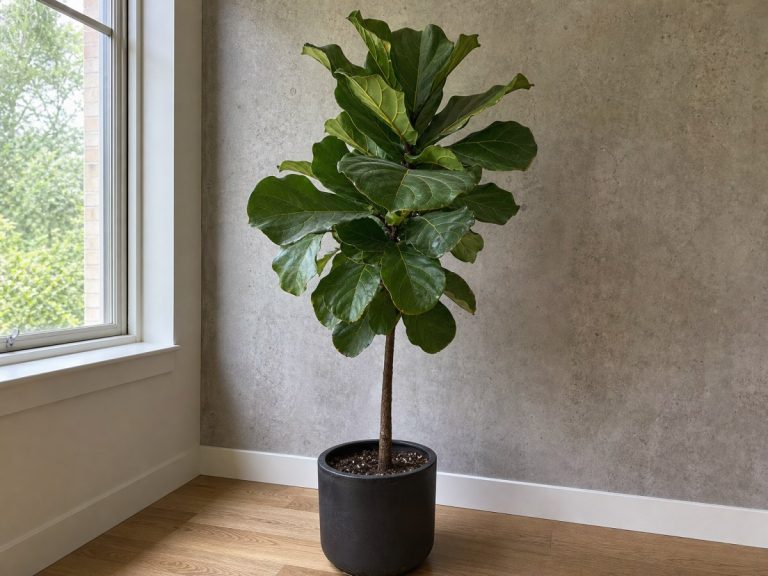
Fiddle-leaf fig
Ficus lyrata
- Bright indirect
- When top inch is dry
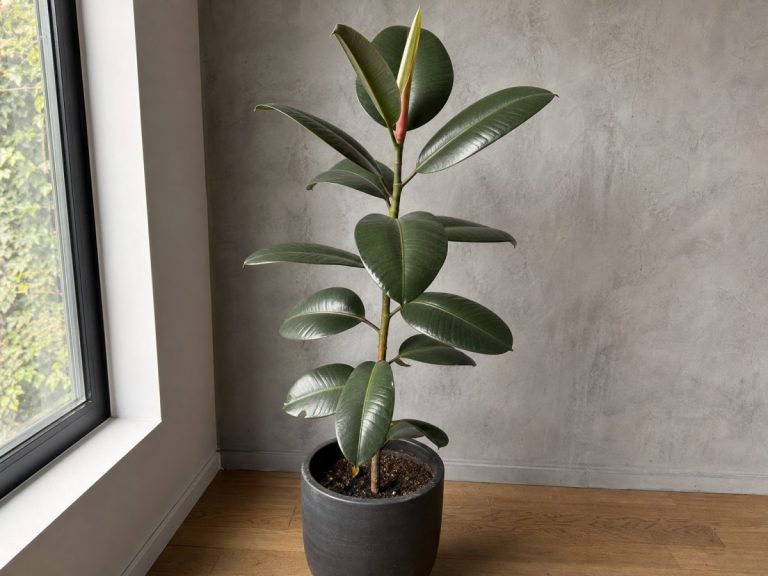
Rubber plant
Ficus elastica
- Bright indirect
- When top inch is dry
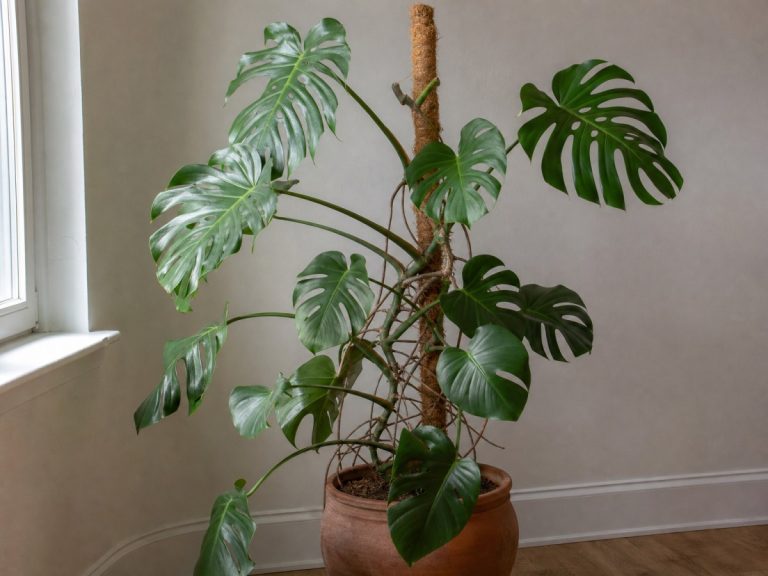
Monstera
Monstera deliciosa
- Bright indirect
- When top inch is dry
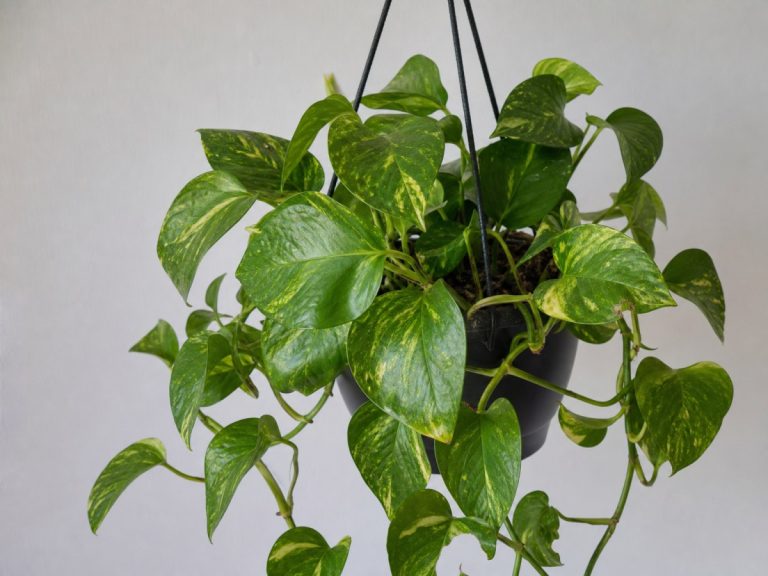
Golden pothos
Epipremnum aureum
- Bright indirect
- When top inch is dry