Heartleaf philodendron (Philodendron hederaceum)
Also known as: sweetheart plant, parlor ivy
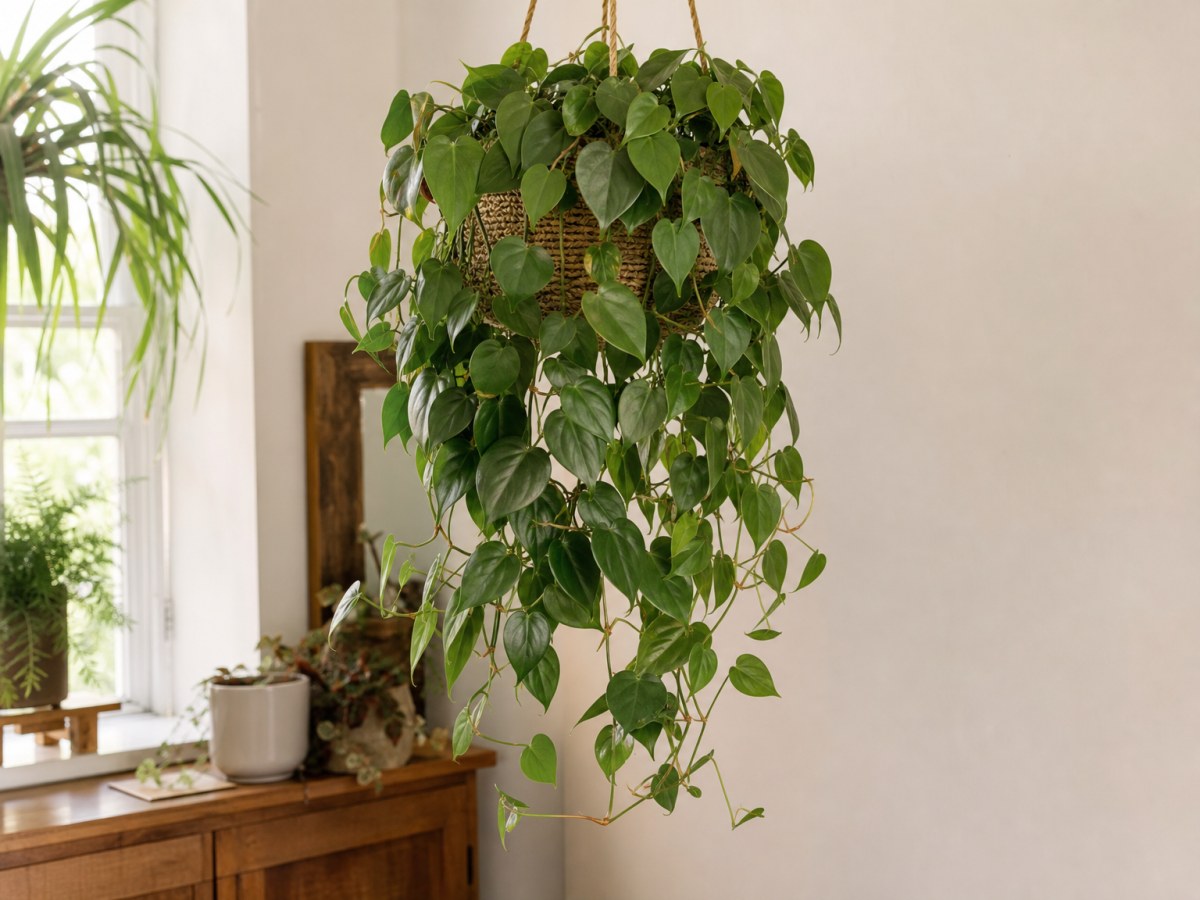
The heartleaf philodendron (Philodendron hederaceum) is the vine with heart-shaped leaves that tumbles from hanging baskets and climbs poles in countless homes. It is native to forests from Mexico through Central America and the Caribbean to South America, and it grows fast, accepts moderate light and needs little attention. The best-selling variegated form is 'Brasil'. Like other aroids it contains calcium oxalate and is toxic to cats, dogs and horses.
Quick info
- LightBright to moderate indirect light; tolerates shade. Direct sun burns leaves.
- Ideal temperatureLikes the same warmth people do; below 50 °F (10 °C) is too cool.
- WateringWater when the top inch (2–3 cm) is dry; never let it sit soggy.
- GrowthFast: long trailing stems within a few warm months.
- MaintenanceLow: pinch the tips and repot every 2–3 years.
- PetsToxic to cats, dogs and horses: calcium oxalate irritates the mouth.
Fact sheet
- Scientific name
- Philodendron hederaceum (Jacq.) Schott
- Common names
- sweetheart plant, parlor ivy
- Family
- Araceae
- Native to
- Mexico to Brazil and the Caribbean
- Plant type
- Climber
- Light
- Bright indirect
- Watering
- When top inch is dry
- Size when grown
- 0.3–8 ft (0.1–2.5 m)
- Frost
- Not frost hardy (min. 50 °F (10 °C))
- USDA zones
- 11a-12b
Needs
- Light Bright indirect 2/3
- Water When top inch is dry 2/3
- Warmth Tropical 3/3
- Humidity Average 2/3
- Growth Fast 3/3
- Maintenance Low 1/3
Where it comes from
Kew's Plants of the World Online gives Philodendron hederaceum one of the widest ranges in its genus: from central and southern Mexico through all of Central America, across Cuba, Jamaica, the Dominican Republic, Puerto Rico, the Cayman Islands, the Lesser Antilles and Trinidad, and into Colombia, Venezuela, Suriname, Ecuador, Peru, Bolivia and northern to southern Brazil. Jacquin described it as Arum hederaceum in 1760, and Schott moved it to Philodendron in 1829.
It is an aroid, related to monstera and anthurium. In the wild it grows as an epiphyte, climbing tree trunks with aerial roots. Older names such as Philodendron scandens and P. oxycardium still show up on plant tags; POWO now treats them as synonyms of varieties within the species (var. hederaceum and var. oxycardium). The velvety form sold as 'Micans' belongs here too.
How to recognize it
- Leaves: heart-shaped, alternate, smooth-edged with a pointed tip, glossy green on top. Indoors they run 2 to 6 in (5 to 15 cm); on a climbing support they get much bigger.
- New leaves: emerge bronze and turn green within days, wrapped at first in a narrow stipule that dries and falls.
- Stems: thin, smooth and green, with aerial roots at the nodes.
- Flower: a small greenish spathe around a spadix; it almost never appears indoors.
Common cultivars: 'Brasil', with a yellow to lime central stripe (unstable, it can revert to green); 'Lemon Lime', entirely chartreuse; and 'Rio' and 'Silver Stripe', with silvery and cream bands. It is often confused with pothos (Epipremnum aureum). A good philodendron clue, described by NC State, is the narrow stipule that wraps each new leaf before drying and falling.
Care
Light
Bright, diffused light near a window but out of direct sun, which burns the leaves, is ideal. NC State Extension and UF/IFAS both note that it tolerates low light and even shade, though it then grows more slowly with leaves spaced farther apart. Variegated types need more light to keep their stripes.
Watering
UF/IFAS recommends watering when the top inch (2 to 3 cm) of soil is dry, and the RHS also says to let the surface dry between waterings and to avoid waterlogging. Water less in winter. Constantly wet soil leads to root rot.
Soil and pot
Use a light, well-drained mix that still holds some moisture, such as potting soil with bark and perlite. A drainage hole is a must. The RHS suggests repotting every 2 to 3 years.
Temperature and humidity
It likes the same temperatures people do; below 50 °F (10 °C) is too cool, according to UF/IFAS. It does not tolerate frost and only grows outdoors in tropical climates. It prefers humid air but copes with the low humidity of a typical home.
Feeding
The RHS suggests a liquid houseplant fertilizer once a month from spring to late summer; UF/IFAS finds every 3 to 4 months enough. Too much fertilizer causes brown, curled leaf tips.
Pruning
Not required, but pinching stem tips makes the plant fuller. Wear gloves, since the sap can irritate skin. The pieces you cut become new plants.
Propagation
It is one of the easiest plants to multiply: cut stem pieces with one or two nodes and set them in water or straight into moist mix. Roots form within a few weeks.
Common problems
Yellow leaves
UF/IFAS links yellowing to too much water or too little light. Let the soil dry more between waterings and move the plant closer to a window.
Brown, curled tips
Usually a sign of overfeeding. Flush the soil with plenty of water and fertilize less often.
Long, bare stems
A sign of low light. Trim the tips and move it somewhere brighter; replant the cuttings in the same pot to fill it out.
Variegated plant turning green
In 'Brasil' the stripe is unstable. Cut back stems that have reverted to solid green and give more light.
Pests
Aphids, scale, mealybugs, spider mites and thrips can appear. Wipe the leaves, isolate the plant and use an insecticidal soap labeled for houseplants if the problem persists.
Safety: pets and children
Toxic to pets according to ASPCA
The ASPCA lists the heartleaf philodendron as toxic to dogs, cats and horses. It contains insoluble calcium oxalate crystals that cause oral irritation, pain and swelling of the mouth, tongue and lips, heavy drooling, vomiting (not in horses) and difficulty swallowing.
In people, NC State rates the severity as low, with mouth irritation and contact dermatitis; UF/IFAS mentions a mild, itchy rash from the sap, and the RHS describes it as harmful if eaten and irritating to skin and eyes. Wear gloves when pruning and hang the pot out of reach of toddlers and pets.
Frequently asked questions
Is heartleaf philodendron toxic to cats and dogs?
Yes. The ASPCA lists it as toxic to dogs, cats and horses because of calcium oxalate, which irritates the mouth and causes drooling and vomiting.
Can a heartleaf philodendron take direct sun?
No, direct sun burns the leaves. It prefers bright, diffused light and tolerates low light.
How do I propagate it in water?
Cut a stem piece with one or two nodes, remove the lower leaves and keep the nodes submerged in clean water. Pot it once roots are a couple of inches long.
What is the difference between a philodendron and a pothos?
Philodendron leaves have a clear heart shape, and each new leaf unfurls from a narrow stipule that later dries and drops, as NC State describes. Checking the growing tip helps tell the two apart.
Why are my philodendron's leaves turning yellow?
Most often from too much water or too little light. Let the soil surface dry before watering and move the plant somewhere brighter.
Sources
- POWO · checked on October 25, 2026
- ASPCA · checked on October 25, 2026
- NC State Extension · checked on October 25, 2026
- UF/IFAS · checked on October 25, 2026
- RHS · checked on October 25, 2026
Profile reviewed on October 25, 2026 · How we build our profiles
Similar plants
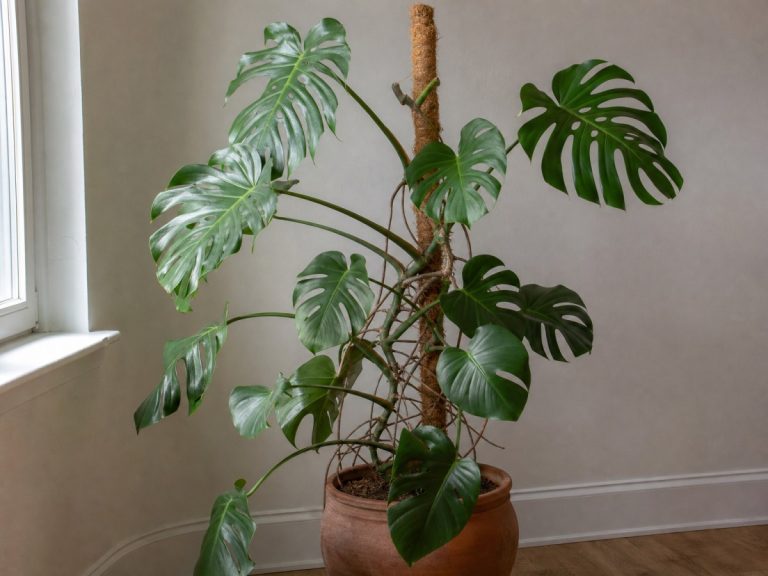
Monstera
Monstera deliciosa
- Bright indirect
- When top inch is dry
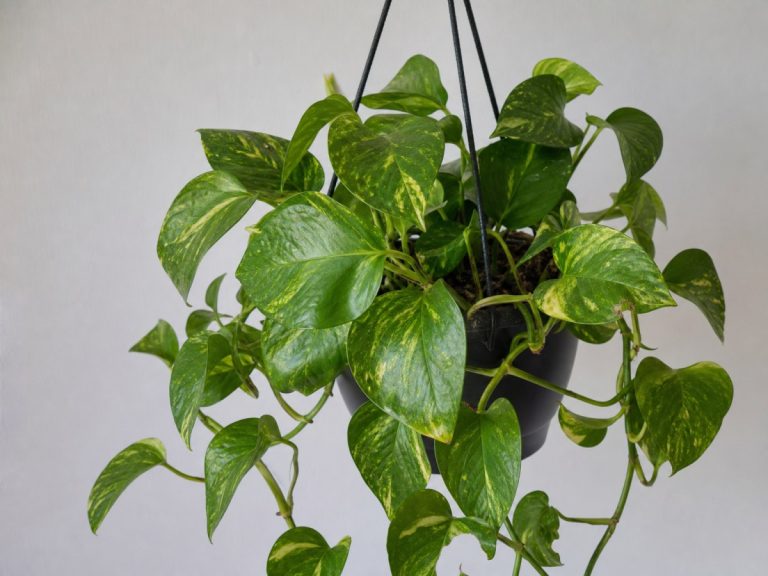
Golden pothos
Epipremnum aureum
- Bright indirect
- When top inch is dry
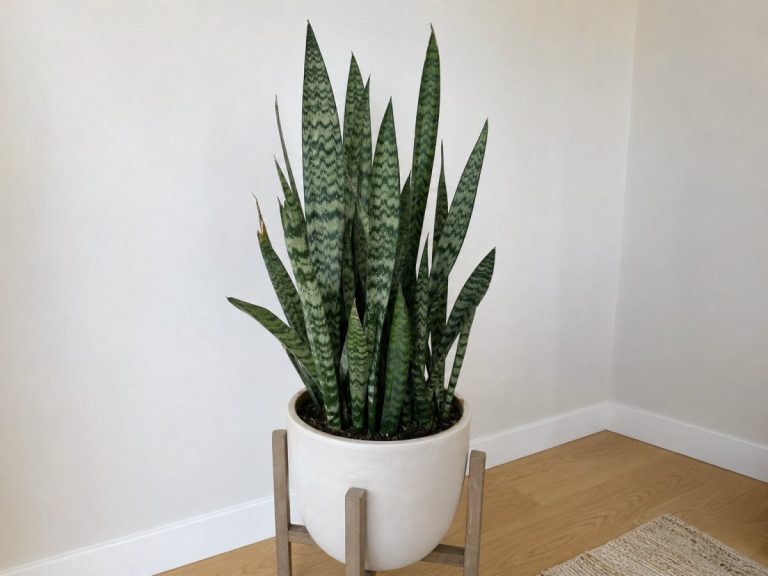
Snake plant
Dracaena trifasciata
- Bright indirect
- Let soil dry out
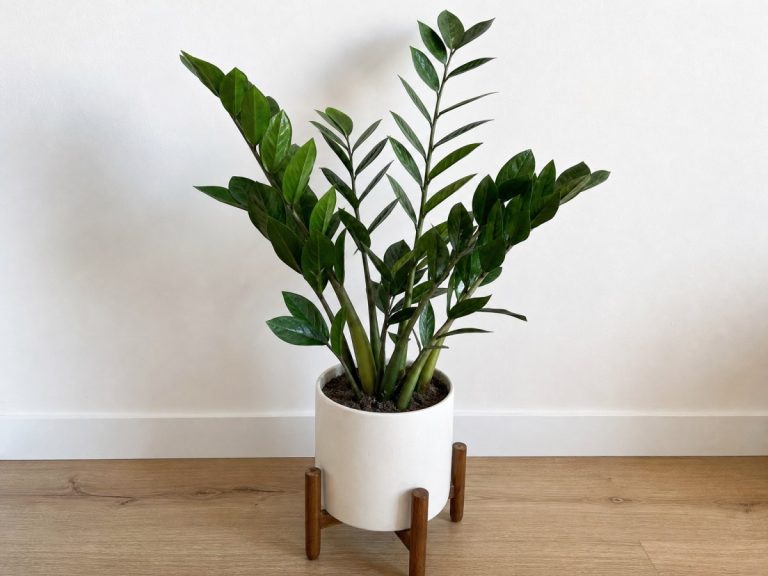
ZZ plant
Zamioculcas zamiifolia
- Bright indirect
- Let soil dry out