Peruvian lily (Alstroemeria aurea)
Also known as: lily of the Incas, alstroemeria
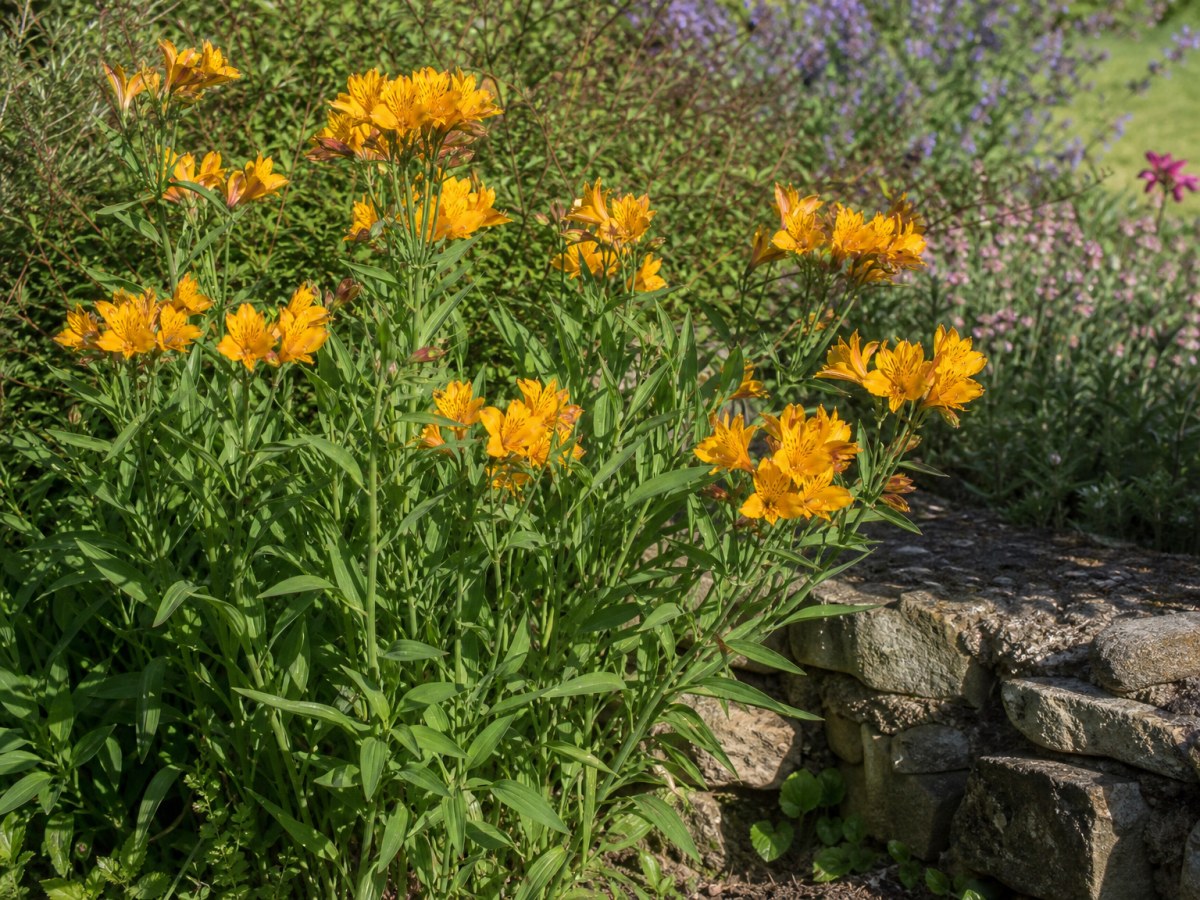
Alstroemeria aurea is a Peruvian lily from the Andes of Chile and Argentina, with upright stems about 3 ft (1 m) tall and clusters of yellow to orange flowers streaked dark red on the upper petals. It is one of the hardiest species in the genus and a good choice for gardens with cool winters. In the garden it forms clumps that spread through underground roots. It is safe for cats and dogs, but its sap can trigger a skin allergy in people.
Quick info
- LightFull sun or part shade, in a spot sheltered from strong wind.
- Ideal temperatureCool to mild climates; handles light frost to about 23 °F (−5 °C).
- WateringMoist but well-drained soil; water when the top inch (2–3 cm) dries.
- GrowthModerate: clumps take 2 to 5 years to fill out.
- MaintenanceLow: pull out spent stems and keep the spreading in check.
- PetsSafe for dogs, cats and horses (ASPCA); the sap can irritate human skin.
Fact sheet
- Scientific name
- Alstroemeria aurea Graham
- Common names
- lily of the Incas, alstroemeria
- Family
- Alstroemeriaceae
- Native to
- Central and southern Chile to southern Argentina
- Plant type
- Herbaceous perennial
- Light
- Full sun
- Watering
- When top inch is dry
- Size when grown
- 1.6–3 ft (0.5–1 m)
- Frost
- Tolerates frost
- USDA zones
- 7a-10b
Needs
- Light Full sun 3/3
- Water When top inch is dry 2/3
- Warmth 50–75 °F (10–24 °C) 1/3
- Humidity Dry air ok 1/3
- Growth Moderate 2/3
- Maintenance Low 1/3
Where it comes from
Kew's Plants of the World Online lists Alstroemeria aurea as native to central and southern Chile and southern Argentina. It is a geophyte, a plant that stores reserves underground in rhizomes and tuberous roots, and it grows mainly in temperate climates. Scottish botanist Robert Graham published the name in 1833. Many books and nurseries still sell it as Alstroemeria aurantiaca, which is now treated as a synonym.
Despite the nicknames Peruvian lily and lily of the Incas, it belongs to its own family, Alstroemeriaceae, not the true lily family. Grown in gardens far from home, it has escaped and naturalized in Great Britain, France, the Canary Islands, New Zealand and southeastern Australia (Victoria and Tasmania).
How to recognize it
- Habit: a clump of upright stems 20 in to 3 ft (0.5–1 m) tall, purplish at the base and leafy toward the top.
- Leaves: narrow, linear to lance-shaped, 2½ to 5 in (6–13 cm) long, with many parallel veins and a slightly gray-green underside. Each sits on a short, twisted stalk.
- Flowers: in loose umbels at the stem tips, each about 2 in (5 cm) long with six separate tepals from bright yellow to deep orange. The two upper inner tepals are narrower and marked with dark red to nearly black streaks and speckles; the outer ones are broader with a greenish tip.
- Fruit: a six-ribbed capsule about ¾ in (2 cm) long.
- Roots: slender rhizomes and fleshy, very brittle roots.
It blooms from spring into summer. Garden selections include 'Orange King', with large orange flowers and little or no seed, and the yellow 'Lutea'. The alstroemerias sold as cut flowers are usually multi-species hybrids in colors from white to purple.
Care
Light
Plant in full sun or part shade, somewhere sheltered from strong wind, which snaps the stems. In too much shade it grows plenty of leaves but few flowers.
Watering
Keep the soil evenly moist but never waterlogged. Water when the top inch (2–3 cm) has dried, more often during bloom and dry spells. Too little water yellows the leaves; too much rots the roots.
Soil and pot
In the ground it wants fertile, well-drained soil rich in organic matter, and it is not fussy about pH. In containers, choose a deep pot with a drainage hole and a flowering-plant mix cut with grit or perlite. When planting, spread the finger-like roots over a small mound of soil, then cover them.
Temperature and humidity
This is a temperate plant: it grows best between about 50 and 75 °F (10–24 °C) and shrugs off light frost to around 23 °F (−5 °C). The Royal Horticultural Society rates it hardy to 14–23 °F (−10 to −5 °C), and NC State lists the genus for USDA zones 7 to 10. Mulch the soil with straw or dry leaves for the first two winters to protect the roots. It does not need humid air.
Fertilizing
Fertile soil needs little help. A layer of compost in spring is usually enough; in pots, use a liquid bloom fertilizer once a month while it is growing.
Pruning
When a stem finishes flowering, pull it out from the base rather than cutting it, leaving the roots in place. That keeps the clump tidy and encourages new shoots. Wear gloves.
Propagation
Divide clumps in fall or very early spring, gently, because the roots snap easily and the plant dislikes disturbance. It also grows from seed. Leave young plants alone so they can bulk up.
Common problems
No flowers
The usual culprits are too much shade, a recent division or move, or a clump that is still young. A. aurea takes 2 to 5 years to mature, so give it more light and leave it undisturbed.
Yellow leaves
Leaves yellowing during the growing season usually mean the plant is too dry. If the soil stays soggy and the stem bases turn soft, the problem is the opposite: waterlogging and root rot. Stems that have finished flowering also yellow naturally; just pull them.
Mottled or distorted leaves
Yellow mosaic patterns and twisted leaves can signal a virus. There is no cure: dig up and throw away the affected plant, and keep it out of the compost.
Pests
Slugs and snails chew new shoots. Aphids, spider mites and whiteflies turn up now and then, usually on plants stressed by poor watering.
Spreading too much
In good soil the rhizomes travel and form large colonies. Keep it away from delicate neighbors or grow it in deep pots. In Australia some forms have naturalized and become weedy, so never dump root pieces in natural areas.
Safety: pets and people
Pet safe according to ASPCA
The ASPCA lists Peruvian lily (genus Alstroemeria) as non-toxic for dogs, cats and horses. Even so, eating any plant can cause a mildly upset stomach in sensitive animals.
For people, the issue is the skin. The sap contains tuliposide A, which converts to tulipalin A, a compound that causes allergic contact dermatitis. It is documented mostly in florists, as cracked, peeling fingertips, and the Royal Horticultural Society flags A. aurea as a skin allergen. Vinyl gloves do not protect, because the compound passes through them; nitrile gloves do. For occasional gardeners the risk is low, but wash your hands after handling it.
Did you know?
The genus honors Swedish naturalist Clas Alströmer, a friend of Linnaeus. The epithet aurea means "golden", after the yellow flowers.
Frequently asked questions
Is Peruvian lily poisonous to cats?
No. The ASPCA lists alstroemerias as non-toxic for cats, dogs and horses. The caution is for human skin, because the sap can cause an allergic rash.
Why isn't my alstroemeria blooming?
Usually not enough sun, a recent division or transplant, or a clump that is still young. Give it more light and leave it alone for a season or two.
Can Alstroemeria aurea survive frost?
Yes, it is one of the hardiest species in the genus and takes light frost. Mulch the roots with straw for the first couple of winters.
Can I grow a plant from a bouquet stem?
Cut stems do not root. To grow one, buy a potted plant or a division with roots attached.
Sources
- POWO · checked on October 20, 2026
- ASPCA · checked on October 20, 2026
- RHS · checked on October 20, 2026
- NC State Extension · checked on October 20, 2026
- Flora of New Zealand (Landcare Research) · checked on October 20, 2026
- Royal Botanic Gardens Victoria (HortFlora) · checked on October 20, 2026
- Int J Crit Illn Inj Sci (PMC) · checked on October 20, 2026
Profile reviewed on October 20, 2026 · How we build our profiles
Similar plants
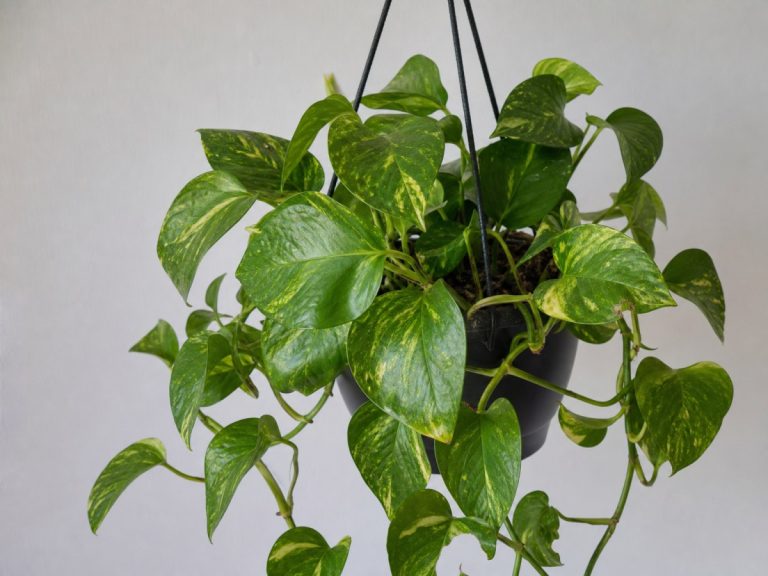
Golden pothos
Epipremnum aureum
- Bright indirect
- When top inch is dry
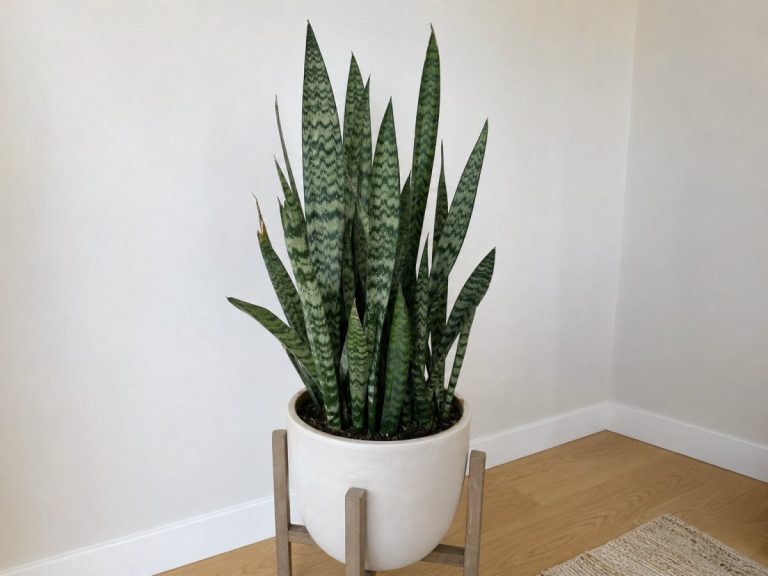
Snake plant
Dracaena trifasciata
- Bright indirect
- Let soil dry out
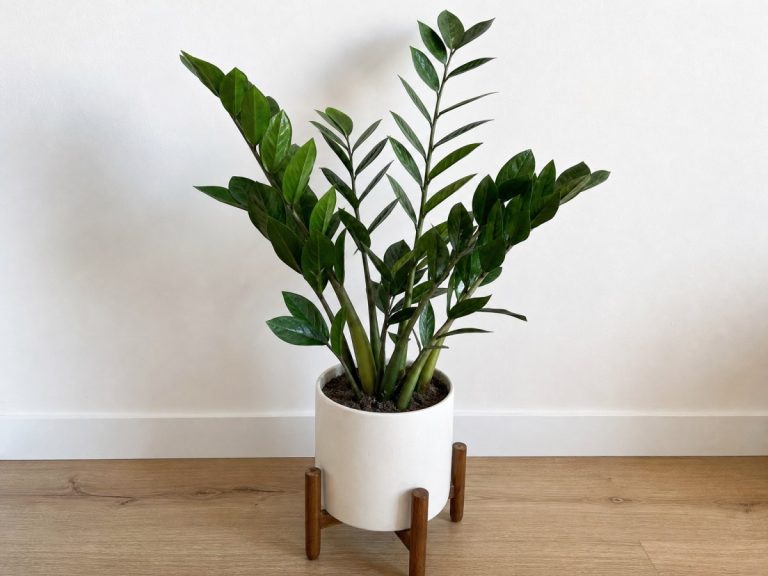
ZZ plant
Zamioculcas zamiifolia
- Bright indirect
- Let soil dry out
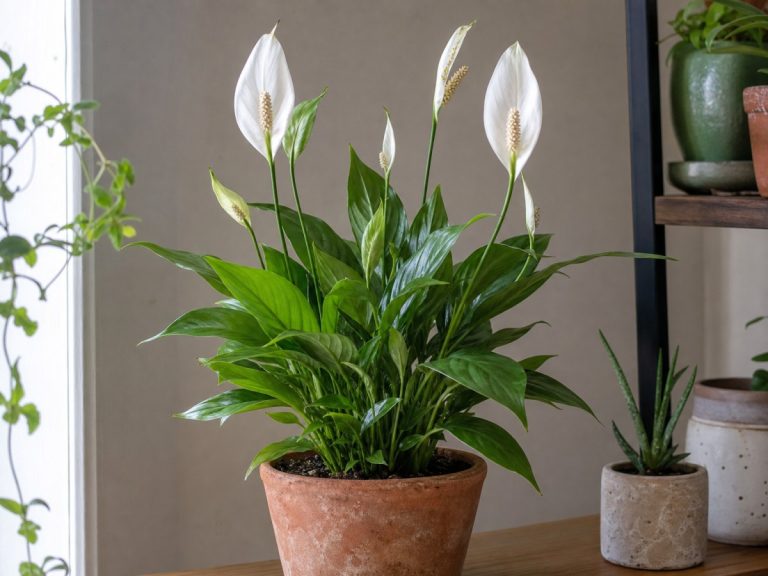
Peace lily
Spathiphyllum wallisii
- Bright indirect
- When top inch is dry